Celiac disease symptoms and treatment
Find a GI specialistPerhaps you've started to feel unwell after your meals. You're noticing symptoms like bloating, gas or diarrhea, especially after eating foods like pasta, bread or cereal. And now you're wondering if it may be celiac disease. Or maybe you've been recently diagnosed with this autoimmune condition. Either way, experts at Aurora Health Care can diagnose and help you manage celiac disease so you can feel your best and ensure you're getting the nutrition you need.
What is celiac disease?
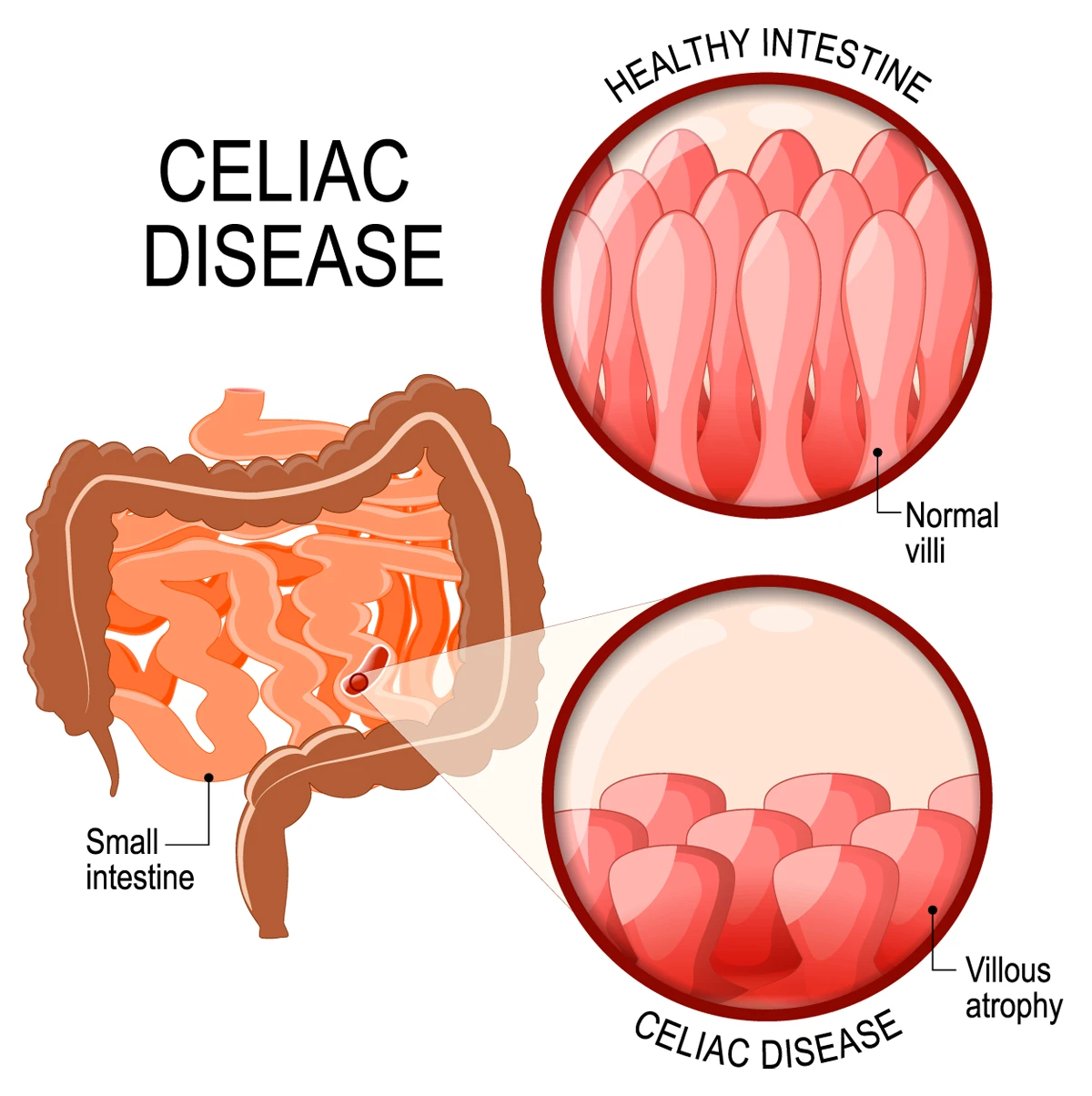
Celiac disease causes damage to the villi (parts of the lining of the small intestine) that leads to celiac disease symptoms.
Celiac disease is a hereditary autoimmune disorder. It leads to inflammation of the lining of the small intestine after eating foods or using products that contain gluten. It’s sometimes referred to as celiac sprue or gluten-sensitive enteropathy.
The finger-like stalks (villi) that line your small intestine become damaged after exposure to gluten. This damage means villi can’t properly absorb nutrients. Left untreated, this damage (villous atrophy) can lead to serious health problems. Aurora health care providers can diagnose celiac disease with a biopsy and blood tests.
What is gluten?
Gluten is a protein naturally found in wheat, rye and barley. It’s also found in some medicines, vitamins, supplements and cosmetics.
Conditions that mimic celiac disease
Two other conditions are sometimes confused with celiac disease because they’re related to gluten and wheat. They differ from celiac disease and from each other in important ways.
- Non-celiac gluten sensitivity (NCGS) differs from celiac disease because it isn’t hereditary or autoimmune-related. There are no defined tests to diagnose the condition and it causes no damage to the small intestine. Gluten sensitivity symptoms are similar to celiac disease symptoms, including diarrhea, constipation and nutritional deficiencies. Gluten sensitivity is sometimes referred to as gluten intolerance. Experts agree that the term gluten sensitivity is more medically accurate.
- Wheat allergy triggers an allergic response but doesn’t cause damage to the intestine. Like other allergies, an allergy to wheat can be diagnosed with skin tests or blood testing for specific antibodies. Wheat allergy symptoms tend to affect the upper respiratory system, although there may be some digestive symptoms.
What are the symptoms of celiac disease?
Celiac disease symptoms vary from person to person. The most common include chronic diarrhea or constipation. Other digestive symptoms of celiac disease may include:
- Bloating
- Gas
- Lactose intolerance due to damage to the small intestine
- Loose, greasy, bulky and bad-smelling stools
- Nausea or vomiting
- Abdominal pain
Digestive celiac disease symptoms are more common in infants and children than in adults.
Celiac disease symptoms unrelated to digestion
Some people may have symptoms in other parts of the body than the digestive system, such as:
- Dermatitis herpetiformis (an itchy, scaly rash)
- Fatigue
- Joint or bone pain
- Depression or anxiety
- Nervous system symptoms such as headaches, balance problems or seizures
- Mouth symptoms such as canker sores, dry mouth, or a red, smooth, shiny tongue
Children’s symptoms of celiac disease
When children have celiac disease they’re unable to absorb nutrients needed for growth and development. They may have symptoms such as:
- Damage to enamel of teeth
- Delayed puberty
- Failure to thrive (infant or child who doesn’t gain weight as expected)
- Slowed growth and short height
- Weight loss
Complications of celiac disease
Complications from celiac disease are possible for both people who pursue celiac disease treatment and people who don’t get treatment. Some complications of celiac disease are:
- Osteomalacia (softening of the bones)
- Anemia
- Malnutrition
- Nervous system problems
- Problems related to the reproductive system
- Increased risk of intestinal cancer
- Liver damage
- Non-Hodgkin lymphoma
What are the risk factors for celiac disease?
Celiac disease is estimated to affect one in 100 people. If any of the following variables apply to you, they put you at a higher risk for developing celiac disease:
- Being White or female
- Having a biological relative who has celiac disease
- Being diagnosed with other diseases related to the immune system such as some thyroid diseases or Type 1 diabetes
- Having DQ2 or DQ8 genes
- Having chromosomal disorders such as Down syndrome, Turner syndrome or Williams syndrome
How is celiac disease diagnosed?
Celiac disease is usually diagnosed during early childhood or when you’re between the ages of 40 and 60. To be tested, you’ll first meet with your doctor for a physical exam. You’ll talk about your possible celiac disease symptoms, and then your doctor may order tests, such as:
- A blood test for celiac disease to check for an autoimmune reaction to gluten
- An upper GI endoscopy to get a tissue sample (biopsy) from your small intestine
- A capsule endoscopy to get pictures of your digestive tract
- Genetic tests to see if you have genes related to celiac disease
Your doctor may also recommend allergy tests to check for wheat allergy or tests for other digestive disorders like irritable bowel syndrome (IBS) or inflammatory bowel disease (IBD).
How is celiac disease treated?
Celiac disease treatment includes eliminating gluten from your diet. You’ll need to avoid foods and products that contain gluten to avoid continuing damage to your small intestines and any complications. This can initially feel overwhelming. Fortunately, there are many gluten-free alternatives now available, so you can continue to enjoy some of your favorite foods – like pizza, pasta, sandwiches and bagels – with some smart swaps. Your Aurora Health Care team will work closely with you as you make the needed adjustment to manage this chronic condition.
This will include a referral to a dietitian who specializes in celiac disease diets, who can help you:
- Adopt a healthy gluten-free diet, also known as a celiac disease diet
- Avoid foods, medicines and other products containing gluten
- Design meal plans to fit your life
- Choose vitamins and supplements to ease your symptoms of celiac disease
If you have dermatitis herpetiformis, your doctor may prescribe medication to help it heal.
How long does treatment take to work?
Damage to your intestines should heal once you’re following a celiac disease diet. Many people notice their symptoms improve within days to weeks after changing their diet.
Nonresponsive and refractory celiac disease
If your symptoms don’t get better after 6-12 months, you may be among the very small percentage of people who have nonresponsive or refractory celiac disease. Sometimes this is because of very small amounts of gluten that you may unknowingly be eating. Other factors may play a part.
Your doctor may recommend medications or other treatments. Current research is exploring new treatments for celiac disease and the causes of more serious forms of the condition.